

 Feed back
 Privacy Policy
In recent years, the Cultural Beliefs Behind Blood Type and Star Sign Personalities have gained unexpected traction in American society. What was once a niche interest in Japanese pop culture has now found a home in American TikTok trends, Instagram personality quizzes, and even dating app bios. The concept of Astrology and Blood Type Personality Analysis—once dismissed as pseudoscience—has become a mainstream tool for self-expression and social categorization. Whether it's the belief that a person with O-type blood is more outgoing or that a Scorpio is naturally passionate, these cultural narratives shape how many Americans understand identity, compatibility, and personal development.
This article explores the rise of these beliefs in the United States, their cultural roots, and the psychological appeal behind them. We'll examine how folklore, pop culture, and even cognitive biases contribute to the continued popularity of astrology and blood type personality analysis, despite the lack of scientific validation.

The idea that blood type can determine personality originated in Japan in the early 20th century, particularly with the work of psychologist Furukawa Takeji in the 1920s. His theory that blood types corresponded to specific character traits—such as Type A being responsible and Type B being independent—gained traction in Japanese media and education systems. It wasn't until the late 2000s and early 2010s that this belief crossed over into American culture, largely through anime, K-pop, and social media.
In the U.S., this phenomenon merged with the already popular interest in astrology. Platforms like Instagram and TikTok began hosting content creators who combined both systems—offering personality readings based on both star signs and blood types. For example, a viral TikTok trend in 2022 featured users comparing their "Type A" and "Type O" friends, joking that the latter are more spontaneous and adventurous. Similarly, astrology influencers started offering "blood type compatibility" guides alongside their horoscope readings.
This blending of Eastern and Western beliefs has created a unique cultural hybrid, especially among Gen Z and millennials who are drawn to identity-based content and self-discovery tools.
According to a 2023 Pew Research Center survey, approximately 29% of U.S. adults believe that astrology is "very scientific," with the number rising to 45% among those aged 18–29. Similarly, a YouGov poll found that 35% of Americans believe that blood type can influence personality, with the highest belief among those aged 18–34.
These numbers suggest a growing cultural acceptance of non-scientific personality frameworks. Interestingly, the belief in blood type personality theory is more prevalent among women and urban dwellers, likely due to their higher engagement with social media and pop culture content.
Psychologically, these beliefs serve a purpose: they offer a simplified way to understand oneself and others. In a world of increasing complexity and information overload, people are drawn to systems that offer quick, digestible insights. The Astrology and Blood Type Personality Analysis provides a sense of structure and identity in a fragmented digital landscape.
The Cultural Beliefs Behind Blood Type and Star Sign Personalities can be traced back to both Eastern and Western folk traditions. In Japan, the blood type theory was popularized during the 1970s by Masahiko Nomi, a journalist who wrote books linking blood types to success in sports, business, and relationships. Though his work lacked scientific basis, it resonated with the Japanese public, where group harmony and interpersonal understanding are culturally valued.
Meanwhile, Western astrology has roots in Babylonian and Greco-Roman traditions, where celestial bodies were believed to influence human behavior. Over centuries, astrology evolved into a system of personality typology, with each zodiac sign associated with specific traits—such as Pisces being intuitive and Capricorn being disciplined.
What's fascinating is how these two systems, though culturally distinct, have converged in the modern globalized world. In the U.S., they are often combined into a new folk belief system that blends Japanese blood type theory with Western astrological signs, creating a hybrid framework for understanding personality.
From a psychological perspective, people are naturally drawn to categorization. It helps reduce cognitive load and allows for quicker social judgments. The Astrology and Blood Type Personality Analysis taps into this cognitive tendency by offering ready-made personality profiles that individuals can easily adopt or reject.
According to a 2021 study published in the Journal of Social and Personality Psychology, people are more likely to accept personality descriptions that are vague and positive—a phenomenon known as the "Barnum effect." This explains why many individuals find their star sign or blood type "accurate," even when the description could apply to anyone.
Additionally, the confirmation bias plays a role. Once a person identifies with a certain blood type or zodiac personality, they tend to notice behaviors that align with that identity while ignoring contradictory evidence. This reinforces the belief and makes it more resistant to change.
Despite their popularity, both Astrology and Blood Type Personality Analysis lack empirical support. Numerous scientific studies have failed to find a correlation between blood type and personality traits. A meta-analysis published in the Personality and Individual Differences journal in 2020 reviewed over 100 studies and concluded that there was no statistically significant relationship between blood type and personality variables.
Similarly, astrology has been repeatedly debunked by researchers. A landmark study conducted by psychologist Bernard Silverman in 1975 found no correlation between the zodiac signs of married couples and their compatibility. More recent research from the University of Hertfordshire in 2022 showed that participants could not accurately guess someone's zodiac sign based on their personality.
From a scientific standpoint, both systems rely on subjective interpretation and confirmation bias rather than objective evidence. Yet, their cultural resonance remains strong.
The persistence of these beliefs is not due to ignorance but rather a complex interplay of culture, identity, and psychology. In a society that increasingly values individualism and self-expression, astrology and blood type personality analysis offer a way to construct and communicate identity in a fun, accessible way.
Moreover, in a time of economic uncertainty and political polarization, people may seek comfort in systems that provide a sense of order and meaning. These beliefs act as a form of soft spirituality—offering guidance without the rigidity of organized religion.
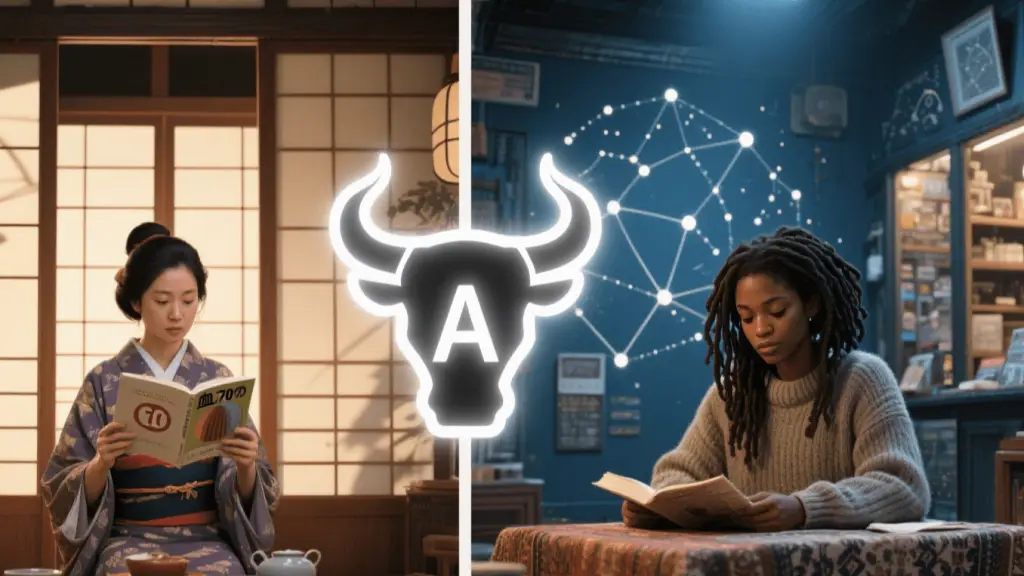
Additionally, the rise of personalized digital content has reinforced these beliefs. Algorithms on platforms like Instagram and TikTok promote content that aligns with user preferences, creating echo chambers where users are repeatedly exposed to ideas that affirm their existing beliefs.
As we've explored, the Cultural Beliefs Behind Blood Type and Star Sign Personalities continue to shape how many Americans understand themselves and others. While lacking scientific validity, these systems serve important social and psychological functions. They provide a shared language for discussing personality, foster community through shared belief systems, and offer a sense of identity in an increasingly fragmented world.
Whether one believes in these systems or not, their cultural impact is undeniable. As long as people seek meaning in the stars and their own biology, the allure of Astrology and Blood Type Personality Analysis will remain strong.
【Disclaimer】The content about Cultural Beliefs Behind Blood Type and Star Sign Personalities in this article is for reference only and does not constitute professional advice in any related field. Please make decisions based on your own circumstances and consult qualified professionals when necessary. The author and publisher are not responsible for any consequences resulting from actions taken based on this content.
Olivia Rivers
|
2025.08.22


